Category: Uncategorized
David Medway Scholarship – Call for Applications
February 10th, 2026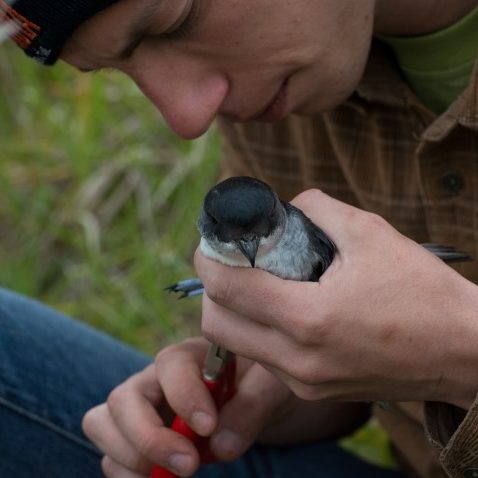
This scholarship, for Masters and PhD students, is sponsored by the George Mason Charitable Trust and named in commemoration of David Medway.
Applications are now open and close on 30 March.
Details are available here.
International Ornithological Congress (IOC) 2026
February 5th, 2026
The 29th International Ornithological Congress 2026 will be held
from Nov 30th – December 5th 2026 in Mérida, Yucatán, México
Join us for IOC 2026 in the beautiful rainforests of Merida México. This is the leading ornithology congress in the world, occurring once every four years. It is designed to be an intellectually stimulating congress for all bird enthusiasts. Up to 26 symposia are planned covering all manner of bird related themes.
#IOCongress26
Notornis special issue on fairy tern | tara iti
January 30th, 2026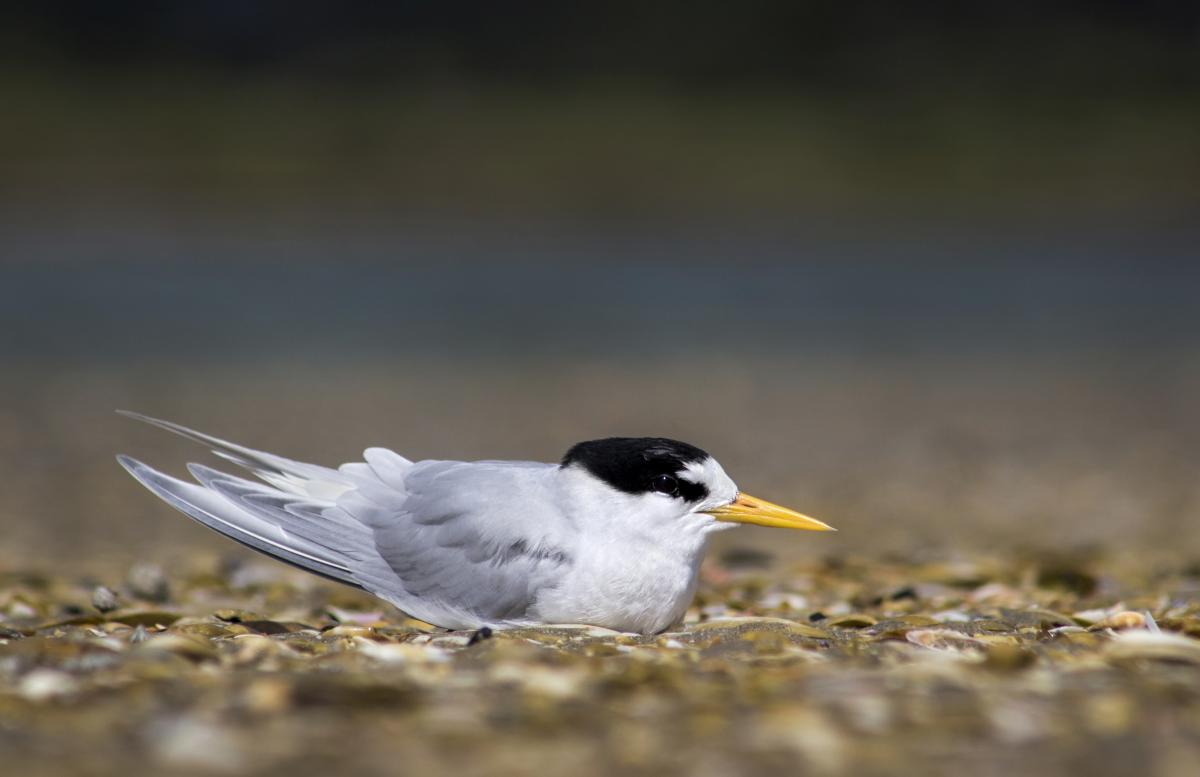
Order your copy now!
The March 2026 issue of Notornis will be a book-sized special issue focused entirely on fairy tern | tara iti. The individual papers contained will be freely available to all on the Birds New Zealand publications archive. We are planning a limited print-run of the book, which will contain identical text, but with additional photographs between the ‘chapters’.
If you wish to receive a printed copy of the book, pre-payment of $35 must be received before 10 February 2026. The cost includes courier delivery (to New Zealand addresses only). The size of the print run will be determined by the number of pre-paid copies – there will be no spare copies available for later purchase. Please email info@fairytern.org.nz with Notornis in the subject line to order a copy and to receive instructions for payment.
Colin Miskelly
Notornis editor
2026 NZ Bird Conference – Registration now open!
December 7th, 2025
The 2026 New Zealand Bird Conference and Birds New Zealand Annual General Meeting will be held in Wānaka from 30th May to 1st June during King’s Birthday weekend. The event will be hosted at the Lake Wānaka Centre.
Abstracts must be submitted by 28 February 2026.
Deadline for early-bird registration is 31 March 2026.
We aim to continue the fine work of previous conferences in making this the premier event for the communication of new research findings about birds in New Zealand, and for providing opportunities for discussion, networking and field trips for professional and amateur ornithologists, students and others who are interested in birds and their habitats. We will be presenting talks on a wide range of topics, and look forward to bringing together researchers and all who are interested to share their knowledge and findings to make this conference a dynamic, informative and memorable event. We look forward to hosting you in Wanaka for a fantastic weekend of birds and birding!
REGISTER NOW
Free Book for New Members!
December 1st, 2025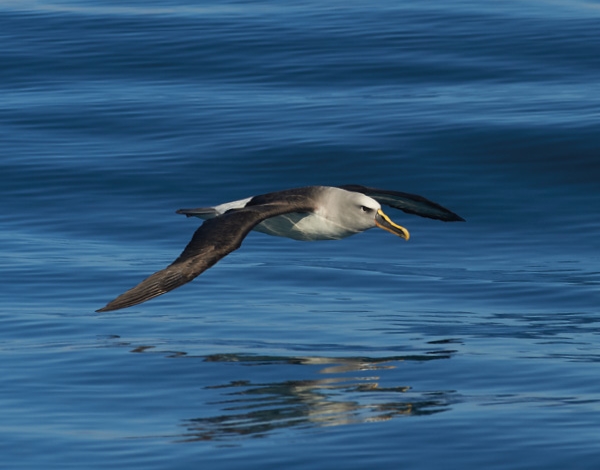
New members of Birds New Zealand now receive a free copy of New Zealand Seabirds – a natural history by Kerry-Jayne Wilson!
Valued at $50 and published in 2021 it has 136 pages, including over 100 colour photos and maps. Please note the offer applies while stocks last and excludes overseas and family subscriptions.
Join now and get your free copy: https://www.birdsnz.org.nz/membership/
Get a bird’s eye view with our free e-newsletter!
November 30th, 2025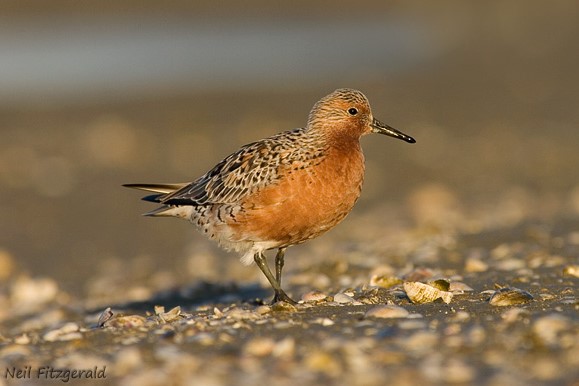
Get updates on the results of new bird research, seasonal tips on birds to watch out for and how to improve your ornithological and birding skills, and ways to get involved with our regular surveys and field trips.
Link to: https://www.birdsnz.org.nz/sign-up-for-e-newsletter/#!form/eNewsletterSignUp
Manawatu Newsletter
November 30th, 2025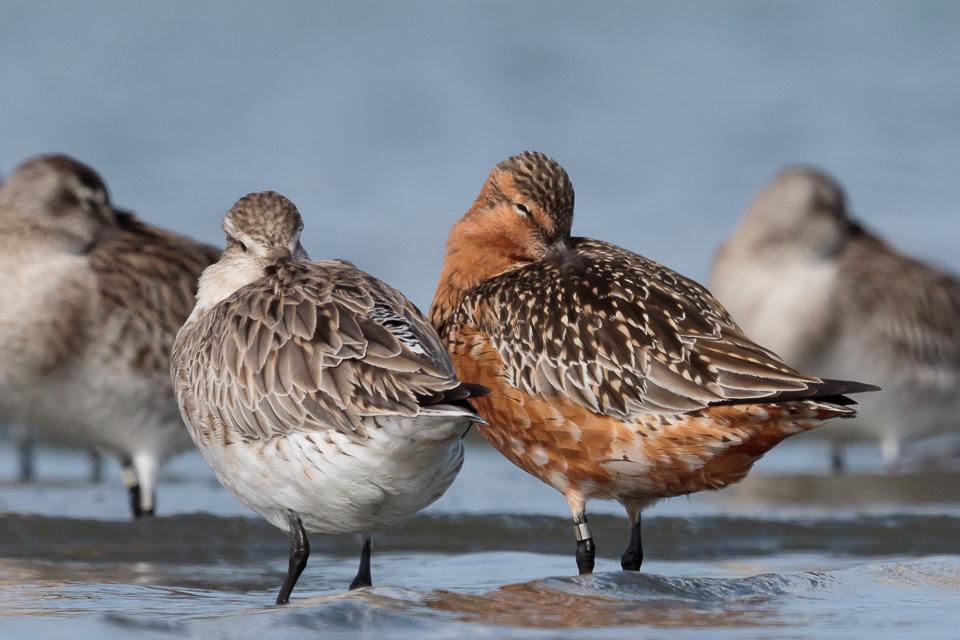
Download the latest Manawatu newsletter here
Other recent newsletters from around the regions are available here
Waikato Newsletter
November 18th, 2025
Download the latest Waikato newsletter here
Other recent newsletters from around the regions are available here
Notornis – September edition published
September 19th, 2025
The latest issue of Notornis (Volume 72, Part 3, September 2025) has been published and is available via the Current Quarterly Publications page, or click on the links below.
FULL ISSUE:
Notornis Volume 72 Part 2
PAPERS:
Birds of Aitutaki, Cook Islands
Dawn counts of spotted shags (Phalacrocorax punctatus) at Tata Beach, Golden Bay, 2009–2018
History of the King’s College Bird Club by R.B. Sibson
August 7th, 2025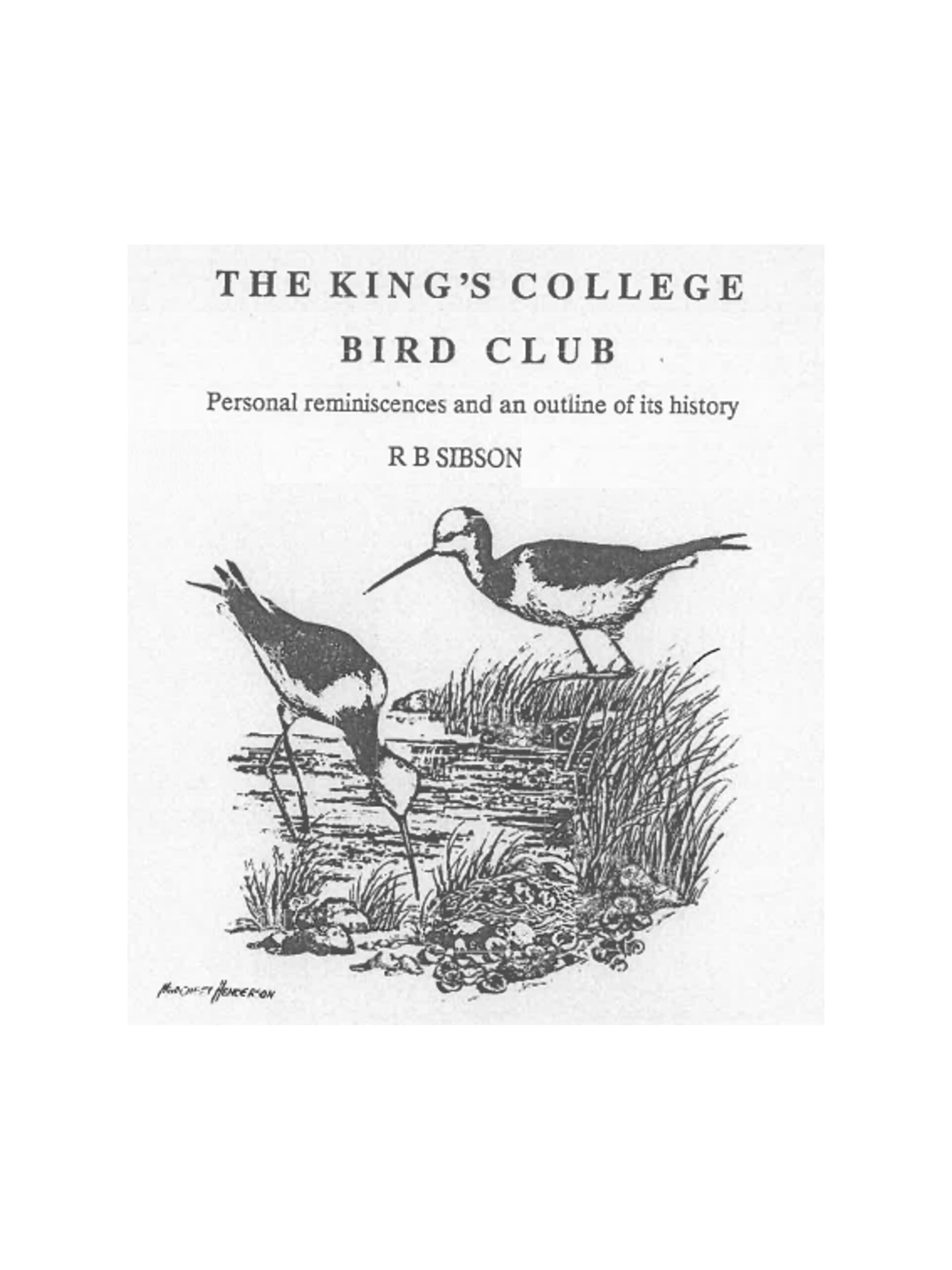
R.B. (Dick) Sibson is well known as a prolific author in Notornis, co-author of multiple editions of the Falla, Sibson & Turbott field guide, and as a long-time editor of Notornis. An enthusiastic amateur ornithologist, ‘Sib’ was a Classics teacher by profession, and taught at King’s College in Auckland from his arrival from England in 1939 until he retired in 1971. Throughout his time at King’s College, Sib encouraged and mentored many boys – particularly boarders – through the King’s College Bird Club. The KCBC undertook many projects and field trips with OSNZ and the Wildlife Service, including to numerous offshore islands. Many KCBC members went on to be well-known ornithologists in their own right, including Barrie Heather as both Notornis editor and co-author of the Heather & Robertson field guide.
Sib prepared a history of the KCBC in 1989, and we thank KCBC member Tim Lovegrove for providing a scan of this ‘history’ that is now published on the Birds New Zealand ‘Historical Publications’ page: https://www.birdsnz.org.nz/wp-content/uploads/2025/08/Kings-College-Bird-Club-History-R-B-Sibson-1989.pdf
New co-opted Council Member – Brenda Greene
July 2nd, 2025
Brenda grew up in Tamaki Makaurau Auckland, exploring the islands of the Hauraki Gulf, with holidays at the family bach in Doubtless Bay in the Far North. She joined OSNZ while at high school and was a regular attendee at meetings held at the Auckland War memorial museum. After graduating from Auckland University, she studied the genetics of kaki/black stilt as part of her Master’s degree at Victoria University of Wellington, exploring the McKenzie country braided riverbeds and helping out with the Ashburton Lakes and River bird surveys.
Returning to Auckland, she worked for the Auckland Council parks department initially as their interpretation officer. She led bird guided walks at Ambury Park and lead volunteer bird counts at Tawharanui and in the Hunua Range. As the parks resource scientist, she set up the mainland island programme which has seen the return of birds such as kokako, bellbird, robins etc previously locally extinct to the mainland. Volunteering, she visited most of the Hauraki Gulf Islands, counting kiwi, catching kakapo and black petrel. She also headed further afield to the Mokohinau Islands to search for the Stack H beetle and Pureora forest to catch kaka and blue duck.
Later, she took the opportunity to move to Otautahi Christchurch where she worked for the Department of Conservation as a Technical Advisor, Environment Canterbury as a Biosecurity planner and the Christchurch City Council as a Natural Heritage Advisor. At the City Council, she visited the Chatham Islands several times and was thrilled to see Taiko and many other endemic threatened birds. Currently she is working as an environmental consultant and science tutor. Volunteering, she caught hoiho/yellow-eyed penguin, short-tailed and long-tailed bats and continues to count winter birds on the Ashburton Lakes. In Notornis she has written about the gannets at Muriwai, grey-faced petrel and New Zealand scaup. She is hopeful that her birding experience across New Zealand and her scientific and teaching background will be of use to the Council.
New co-opted Council Member – Nic Rawlence
July 1st, 2025
I grew up in Nelson and Golden Bay surrounded by birds above ground and the bones of extinct birds in caves below ground. I spent much of my childhood in the outdoors amongst nature and sailing in Tasman Bay. Every family road trip was a lesson in natural history, geology, palaeontology, and history, something that I’ve continued with my kids.
After completing a degree in Biomedical Science at Victoria University of Wellington, New Zealand’s birds beckoned and I embarked on a Masters research project focusing on the evolutionary history of kakariki. I spent many weekends on Mana and Matiu Somes Island, and conducted fieldwork in the subantarctic and at the Kermadec Islands, experiences that I will never forget. A PhD at the University of Adelaide followed where I used ancient DNA and palaeontology to reconstruct the diet and plumage of New Zealand’s extinct moa, as well as investigating the impacts of climate and habitat change through time on these giant birds.
In 2013 my wife and I made the move to back to New Zealand where I established the Otago Palaeogenetics Lab at the University of Otago. My lab reconstructs what New Zealand’s ecosystems were like from hundreds of years to tens of millions of years ago; how our unique living and extinct birds (and other animals) responded to our dynamic geological, climatic and human history; and how we can use that information for evidence-based conservation management.
I passionately believe in science communication, and regularly provide expert commentary in all forms of media from print to radio and television, even busting a few myths now and then.
For contact details of current Council members refer to https://www.birdsnz.org.nz/contact/
Our Changing World: Getting ready for H5N1 bird flu
June 24th, 2025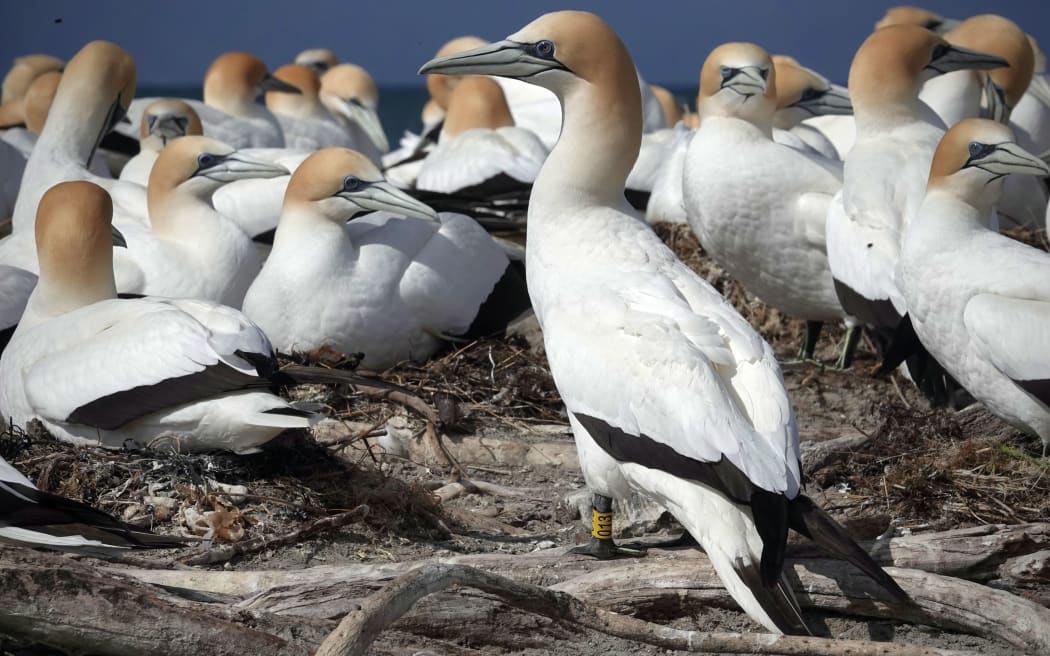
Highly pathogenic H5N1 bird flu has been around since the 1990s, but the current bird flu pandemic started in Asia in 2020, when a low pathogenic strain mutated into a high pathogenic strain called H5N1 2.3.4.4b. Read more about this on the RNZ news story: https://www.rnz.co.nz/news/ourchangingworld/564326/our-changing-world-getting-ready-for-h5n1-bird-flu
Seabird Surveys of Aleipata Samoa Offshore Islands
May 19th, 2025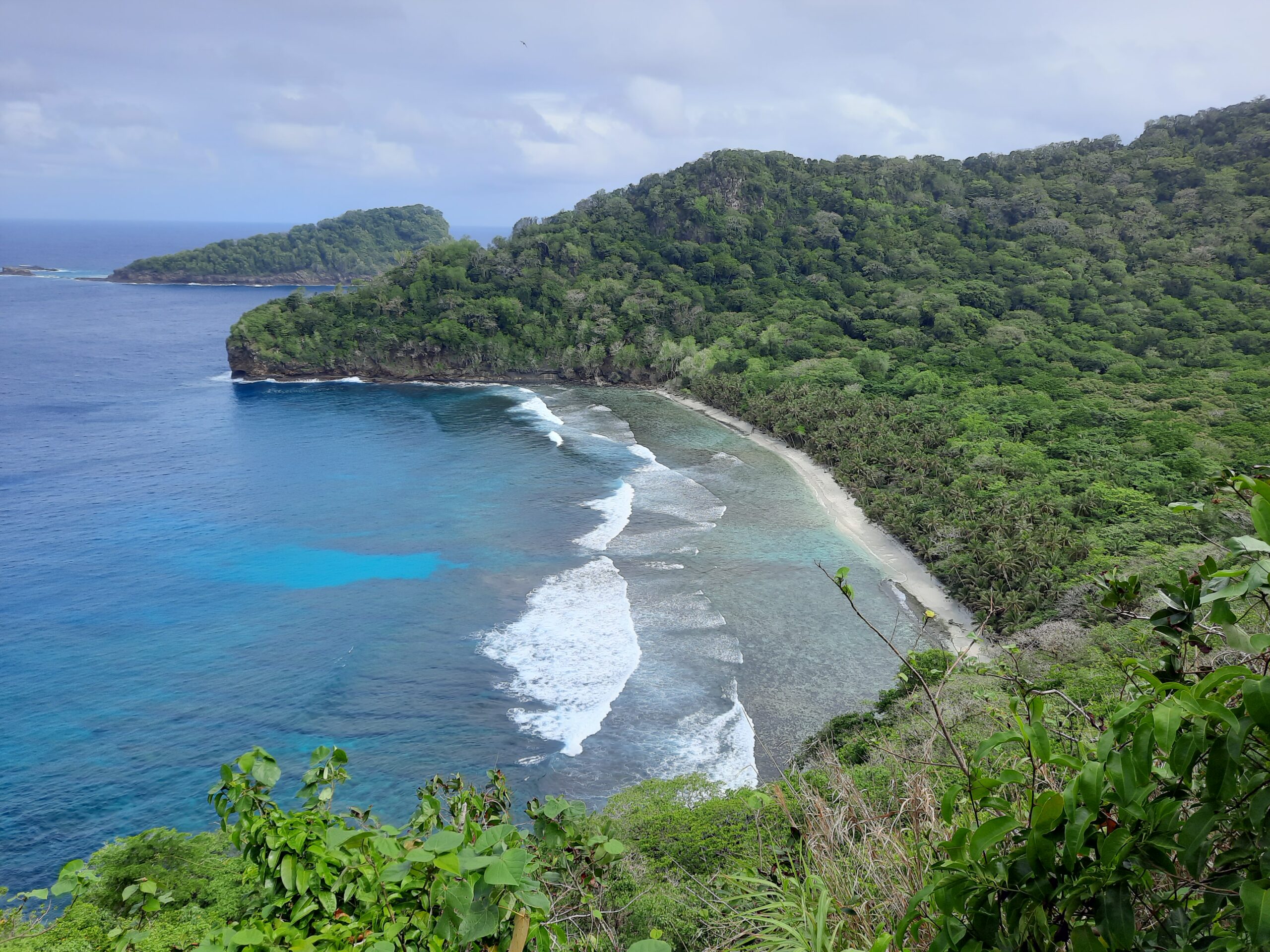
Funding from the Birds New Zealand Pacific Islands Bird Conservation and Research Fund was used to support seabird surveys and monitoring training for staff from the Ministry of National Resources and Environment and the Samoa Conservation Society. The Secretariat for the Pacific Regional Environment Programme and the Northern New Zealand Seabird Trust provided this training.
The islands are rich in biodiversity and both marine and terrestrial ecosystems support significant populations of seabirds; They are the most important islands for red-footed (Sula sula) and brown boobies/Fua’ö (S. leucogaster) and greater frigate birds/Atafa (Fregata minor) in Samoa. They host two species of fruit bats, coconut crabs and marine turtles including the most important nesting sites for hawksbill turtle (Eretmochelys inbricata) in Samoa.
The islands also support populations of a species of threatened terrestrial bird – the friendly ground dove/Tu’aimeo (Gallicolumba stairi), IUCN threat ranking Vulnerable. The Critically Endangered manumea (Didunculus strigirostris) has been recorded there in the past.
During 2022 and 2023 visits to the two islands of Nu’ulua and Nu’utele were conducted. One of these islands is rat/pig free Nu’ulua while Nu’utele still had rats and pigs. In addition to visual count surveys and burrow searches, song meters were left on the islands to detect procellariid petrels.
During the survey period, Tahiti petrel (Pseudobulweria rostrata) ranked by the IUCN as Near Threatened, and tropical shearwater (Puffinus dichrous) have been confirmed as likely breeding on Upolu, the island where the main town of Apia is situated. The presence of a wide range of predators as well as habitat modification suggests that these seabirds are likely to be in decline.
Visual surveys confirmed seven breeding diurnal seabird species as well as tropical shearwater present in small numbers based on calls heard on song meters. The continued presence of tropical shearwaters on Nu’utele despite presence of rats and pigs is particularly welcome as it is likely recovery would be rapid following eradication of rats and pigs. Eradication of rats and pigs is currently underway supported by Island Conservation through the NZMFAT funded PRISMSS Restoring Island Resilience project through SPREP.
These two islands are important refuges for seabirds and other fauna and have great potential in terms of restoration. This is particularly so as control of predators on the main islands of Samoa is very limited hampered by vast forested mountainous areas which make access very difficult (note there are no helicopters in Samoa) and funding. Finding remnant populations of procellarid seabirds and protecting them on the main islands is a priority. Use of passive sounds attraction on the island of Nu’utele to attract other procellariid species should also be considered.
Read the final report of the Seabird Surveys of Aleipata here
Find out more about the Birds New Zealand Pacific Islands Bird Conservation and Research Fund here
Game bird banding in New Zealand
February 19th, 2025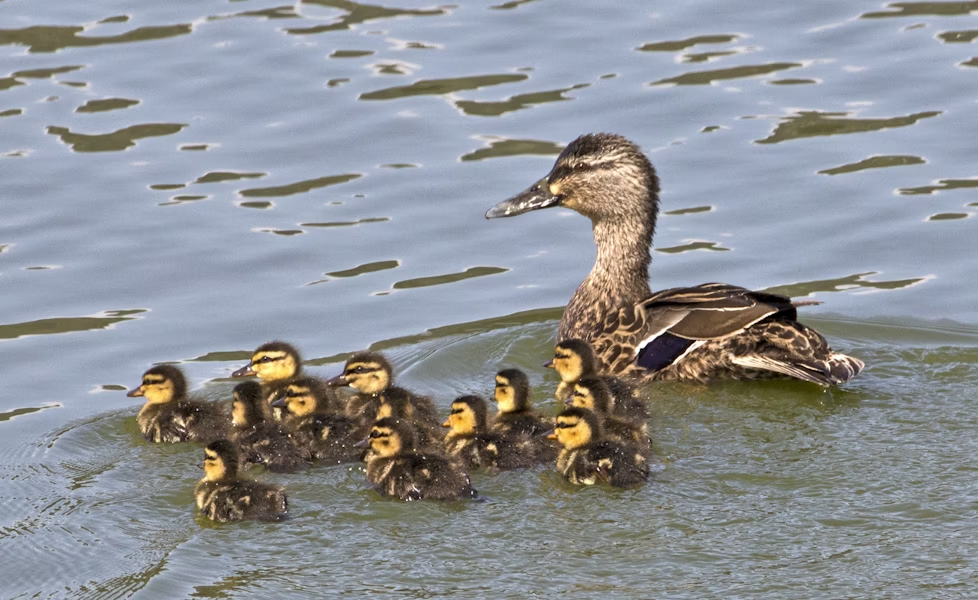
Birds New Zealand is delighted to announce the publication of Murray Williams’ A synopsis of game bird banding in New Zealand to year 2000
This fascinating account of the history of game bird banding in Aotearoa has been published as part of our OSNZ Occasional Publications series.
Image by Rebecca Bowater (NZ Birds Online)
An online workshop inspiring renewed interest in moult studies
February 14th, 2025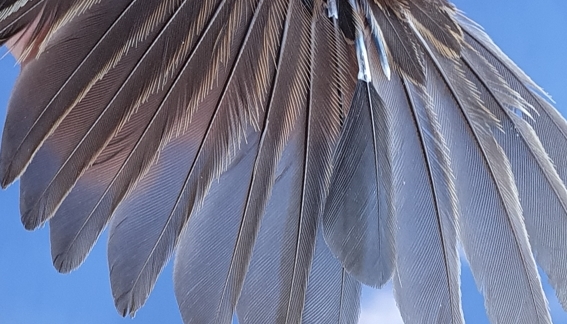
An online workshop about recording moult in the plumage of birds was held by Birds New Zealand on 5th February 2025.
Nearly 100 participants took part in the online workshop. Proceedings were recorded and will be made available as an educational resource on the Birds New Zealand website. Funding for the workshop was provided by the Birds New Zealand Research Fund.
Read more details here
Horsfield’s bronze-cuckoo added to the New Zealand list
January 29th, 2025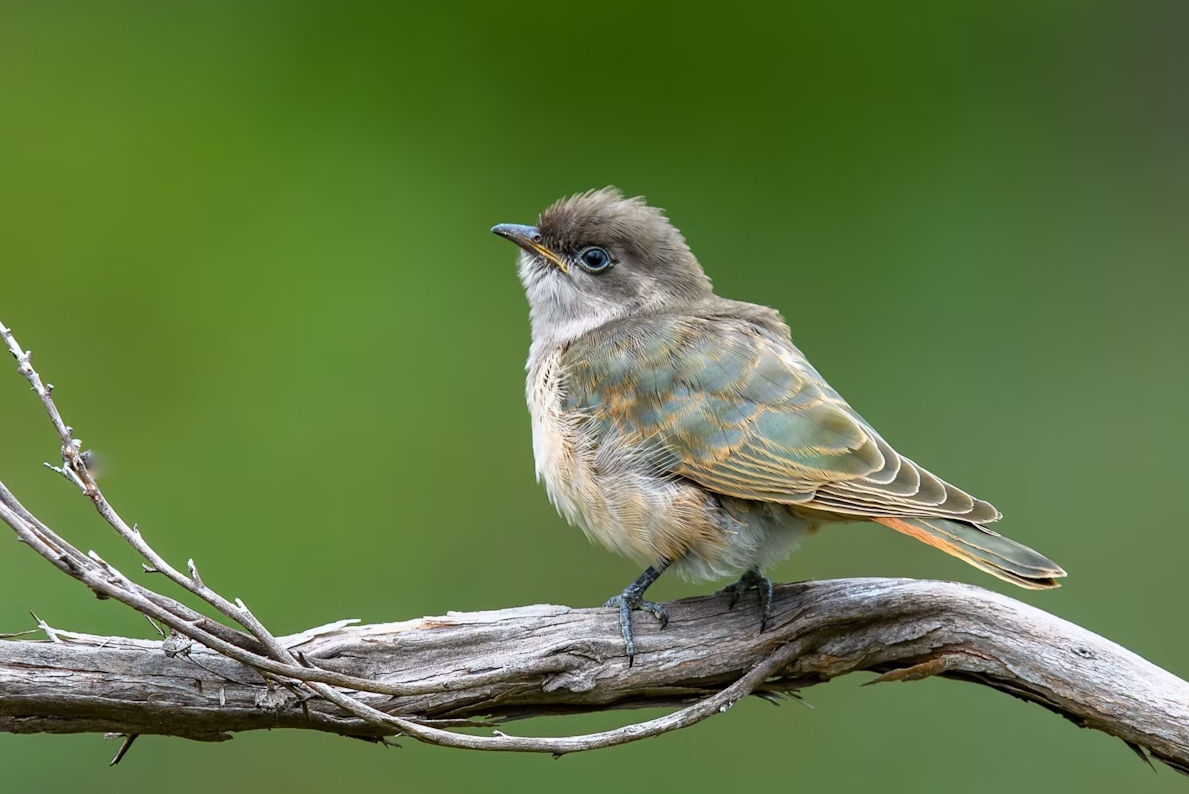
Aotearoa New Zealand is a long way from anywhere. Despite being 2,000 km from the nearest continent, vagrant land birds regularly find their way across the Tasman Sea – though some don’t quite make it. Bird curator Colin Miskelly describes the latest new species to come to grief on our shores.
Read more at https://blog.tepapa.govt.nz/2025/01/22/a-new-bird-for-new-zealand-horsfields-bronze-cuckoo/ and https://www.nzbirdsonline.org.nz/species/horsfield-s-bronze-cuckoo
Notornis – December edition now online!
January 28th, 2025
The December edition of Notornis is now available to read or download online on the Current Quarterly Publications page
A fully searchable database of Notornis articles and Birds New Zealand magazines is provided in the Publications archive
Te Araroa birds – Interview with Dr Colin Miskelly
January 27th, 2025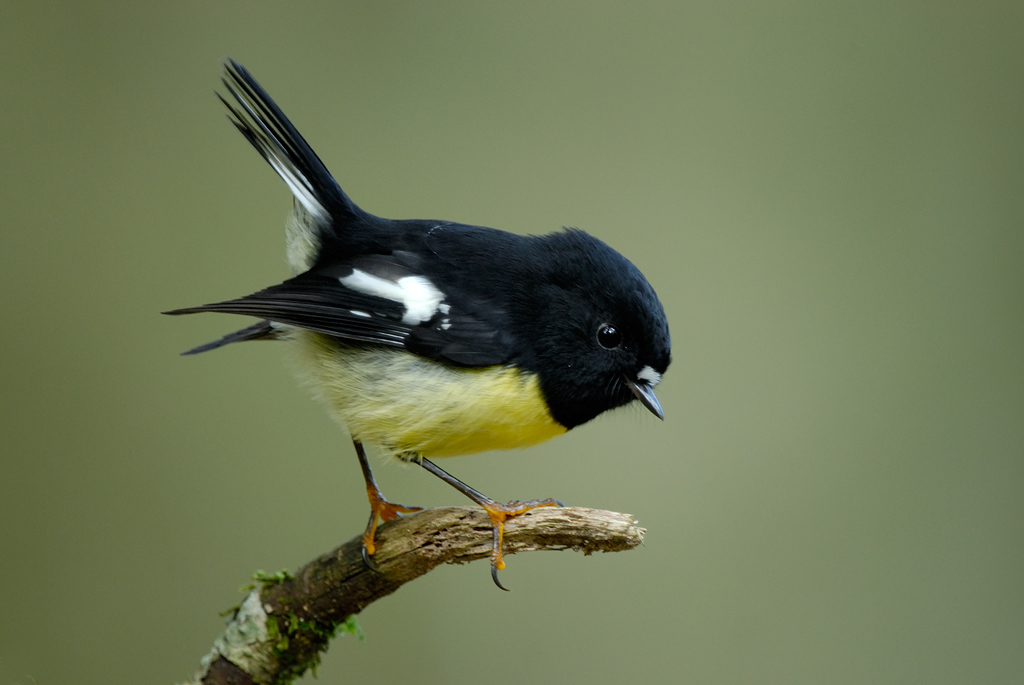
Walking the length of New Zealand counting every bird!
Listen to the interview with Dr Colin Miskelly about atlasing birds along Te Araroa Trail on youtube (by Adam Forbes): https://www.youtube.com/watch?v=qBv7zJxtgfA
Changes to the New Zealand Checklist
December 9th, 2024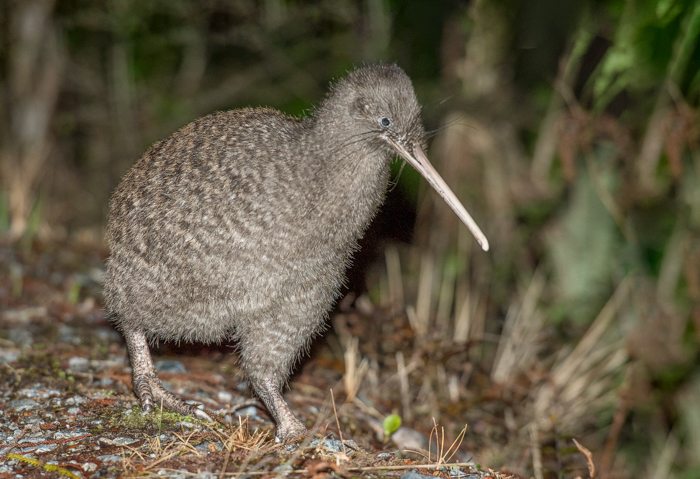
The 6th edition of the Checklist of the Birds of New Zealand can now be viewed on the Checklist page https://www.birdsnz.org.nz/society-publications/checklist/
The previous editions of the Checklist were published in 1953, 1970, 1990, 2010 and 2022, with the first four published as books and the 5th edition (2022) published as a pdf and as html webpages.
The 6th edition exists solely as updated webpages, with explanations of what has changed and why contained within the manuscript:
Amendments to the 5th edition (2022) of the Checklist of the Birds of New Zealand. Notornis 71(3): 93–114.
The amendments document can be viewed at https://www.birdsnz.org.nz/wp-content/uploads/2024/12/Checklist_Notornis_713_93-114.pdf
This signals a new phase in the evolution of the Checklist, which the Checklist Committee intends to update every 2 years. We have yet to decide whether to produce occasional pdf versions of the entire Checklist (e.g. once a decade), or whether the Checklist will exist solely as webpages from now on. This will depend partly on whether there is demand for a pdf version from you, the users. It will also be constrained by the technical challenges of creating a pdf from the webpages while ensuring that the content of the two versions remains identical.
The New Zealand checklist is a much more complex document than most (maybe all) other regional and global checklists. In addition to the basic list of scientific names (with authorities) and common names grouped within orders and families, it also provides comprehensive synonymies for each scientific name (the history of how and when each name changed after the taxon was originally described), and information on breeding and vagrant distributions. It is also exceptional in containing details for all fossil species.
The main source of new distribution information for vagrant birds in New Zealand are the biennial reports of the Records Appraisal Committee, which have been published in Notornis every 2 years since 2011. The 2023 report was the main source of new distributional information included in the 2024 edition of the Checklist, and Birds New Zealand intends to continue this pattern of the two documents being published in alternate years.
This means that there is now a much more rapid channel for your observations to end up in the Checklist. If you observe a reportable bird and submit an Unusual Bird Report that is accepted by the Records Appraisal Committee, the record should appear in an RAC report within 1–3 years of the UBR being received, and in the next Checklist update within 2–4 years (depending on the date of your UBR submission within the biennial cycle for both publications, and which issue of Notornis the two reports are published in). I know those numbers seem tediously slow in an era when everyone expects up-to-date information at the touch of a smartphone screen. However, it is a huge advance on waiting 20 years for the next Checklist to be published.
I make no apology for the Checklist only citing verified records that can be found in a published paper, rather than citing unverified sightings from online sources, including eBird, that may evaporate for any number of reasons. As an example, I note recent postings on this forum by eBird contributors saying that they have deleted their records or intend to do so.
For those interested in what has actually changed in terms of Checklist content since 2022, we have added three new vagrant bird species to the New Zealand list (black tern, black-naped tern, and Matsudaira’s storm petrel), along with entries for 11 newly-described fossil bird species. Two species splits have been made, with separate entries for Tibetan sand plover and Siberian sand plover (formerly lesser sand plover), and for fulmar prion and Pyramid prion. Genus changes include: sand plovers, red-capped plover, New Zealand dotterel and banded dotterel shifting to Anarhynchus; New Zealand shore plover and black-fronted dotterel returning to Charadrius; and banded rail returning to Hypotaenidia. Fairy prion is recognised as having two subspecies, with Pachyptila turtur eatoni being the form of prion that breeds on Heard Island. This means that lesser fulmar prion Pachyptila crassirostris flemingi is endemic to the Auckland Islands, and fulmar prion as a species is endemic to New Zealand (breeding only on Snares, Bounty, and Auckland Islands, but not on the Chatham Islands).
New Zealand Birds Online webpages will be created, updated, and their sequence re-organised to match the 6th edition Checklist of the Birds of New Zealand once I get back to the mainland.
Ngā mihi nui
Colin Miskelly
Checklist convenor